Date & Time
Saturday, January 31st, 2026
1:00 PM - 4:00 PM
Location:
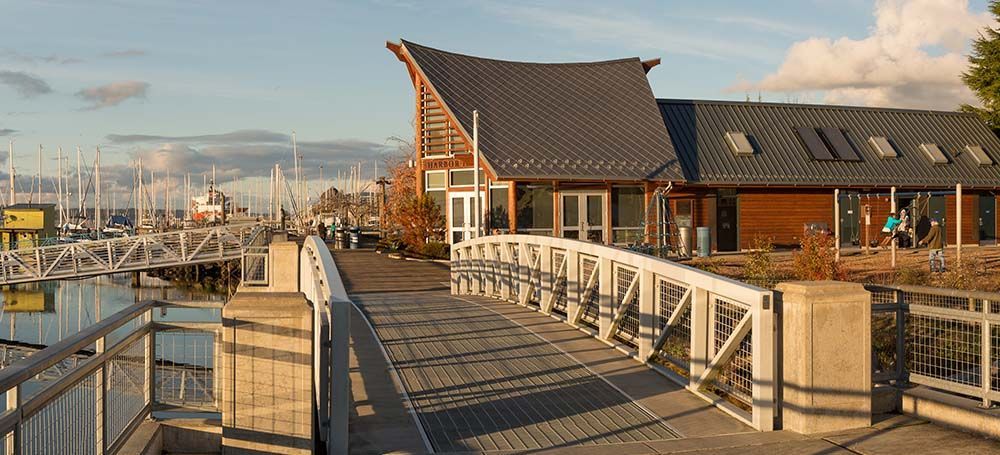
This Event is being held at Harbor House on Percival Landing with beautiful views of the Capitol, waterfront and Olympia Mountains.
217 Thurston Ave NW
Olympia, WA 98501
Free Parking is Available At This Location
Join Us for the
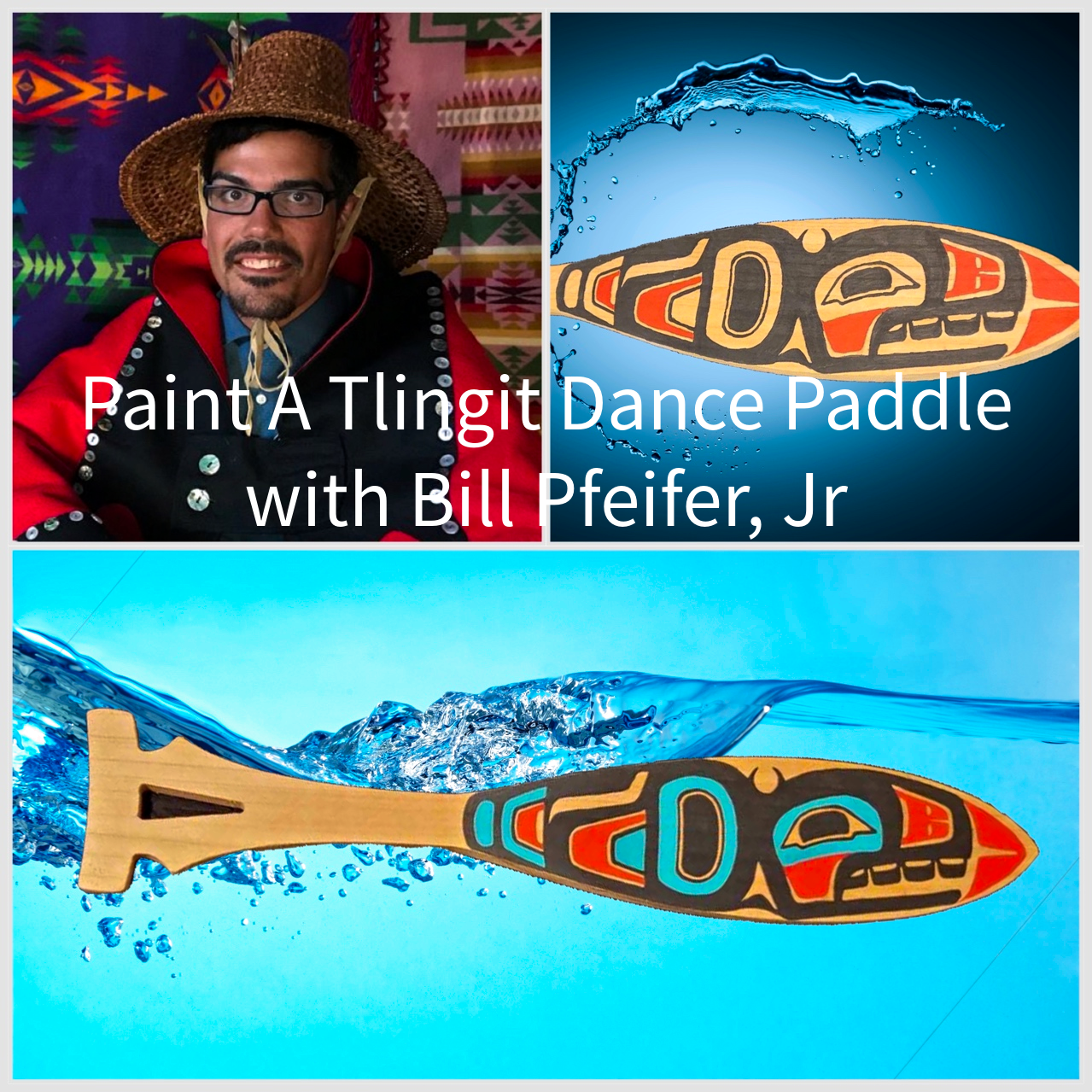
Tlingit Dance Paddle Painting Workshop
with Wéidaaká Yóodóohaa
(Bill Pfeifer, Jr.)
This hands-on experience invites you to explore the artistry and deep cultural meaning
behind a Tlingit ceremonial paddle (axáa),
a tradition rooted in the coastal communities of Southeast Alaska
Paddle Size: 24" long, 4" wide, 3/4" thick
The Role of Paddles in Tlingit Culture
For the Tlingit people, paddles are much more than tools for travel—they are symbols of connection, identity, and storytelling. Living along the coastline, Tlingit families traveled to hunting and fishing areas using canoes propelled by paddles. These paddles, like the Tlingit canoes, came in various shapes and sizes, each suited to different types of canoes and purposes. Traditionally, paddles were crafted from yellow cedar, a wood prized for its durability and beauty. Sometimes, red cedar was traded from neighboring Haida communities for special projects.
Dance Paddles: Ceremonial Artistry
Distinct from everyday paddles, dance paddles are ceremonial objects used during winter gatherings and storytelling performances in the longhouses. These paddles are often adorned with clan motifs—intricate designs that represent family lineage and spiritual connections. During ceremonies, paddles are not only used to demonstrate paddling but also to visually narrate clan stories and histories. The motifs painted on the paddles are a form of visual language, expressing identity and honoring ancestors.
Painting and Carving: A Living Tradition
The art of paddle making and painting is a vibrant part of Tlingit heritage. Workshops like this one continue the tradition, teaching participants about the materials, carving techniques, and painting styles unique to Northwest Coast Indigenous art. You’ll learn about the use of traditional pigments and the complex “formline” drawing techniques that define Tlingit visual arts. These methods have been passed down through generations, ensuring the resilience and continuity of Tlingit culture.
Why This Matters
Participating in this workshop is more than a creative exercise—it’s an opportunity to connect with a living tradition and honor the stories embedded in each paddle. Whether you’re painting a paddle for ceremonial use or as a personal keepsake, you’re contributing to the preservation and celebration of Tlingit identity.
Join Us in The Beautiful Harbor House in Olympia
Olympia is home to a vibrant arts community supporting traditional and contemporary Indigenous arts. This workshop is part of a broader movement to reclaim and share Indigenous stories through hands-on learning and creative expression.
If you have questions about the history, motifs, or techniques, feel free to ask during the workshop—every paddle tells a story, and yours will become part of this ongoing tradition--
We’re thrilled to invite you to this significant painting experience with formline artist and Tlingit tribal member,
Wéidaaká Yóodóohaa (Bill Pfeifer, Jr.). Throughout the experience you will enjoy a savory array of hors d'oeuvres
and beverages that blend traditional Tlingit flavors with modern twists.
Don’t worry if you’re a beginner—no painting experience is necessary
Spaces for this unique painting experience with Bill
is limited so don’t miss your chance—
register today.
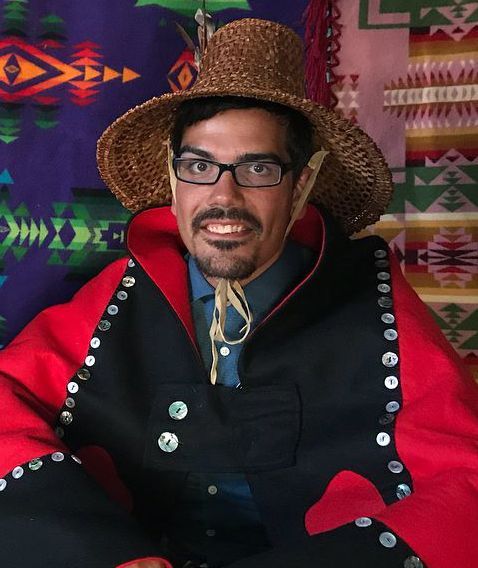
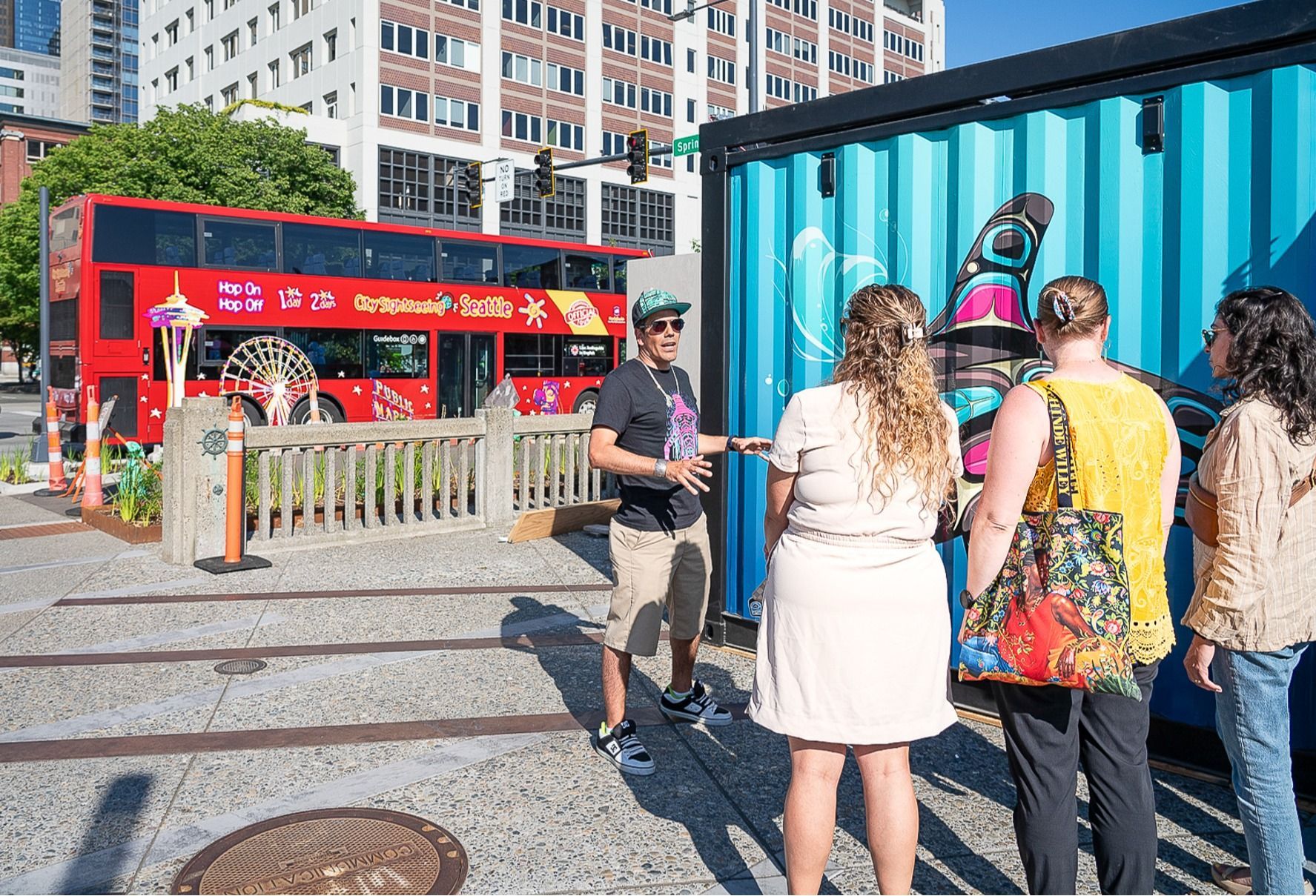
Artist- Bill Pfeifer, Jr (Wéidaaká Yóodóohaa)
Bill (Wéidaaká Yóodóohaa) is a proud member of the Tlingit tribe, whose artistry seamlessly blends traditional Tlingit craftsmanship with modern urban aesthetics. Growing up in the vibrant culture of the 80s and 90s, Bill's diverse background includes influences from skateboarding, graffiti, anime, music, and technology. These elements are intricately woven into his artwork and brand Formline Evolved, where he reinterprets formline, a unique and ancient art style of the Native peoples of the Northwest Coast of North America.
Inspired by his father, an artist who instilled in him the fundamentals of formline design, Bill conveys the stories, values, and beliefs of the Tlingit people through his creations. He has also had the honor of studying under Nathan Jackson, a distinguished Tlingit master carver renowned for his totem pole artistry, alongside Bill’s father.
Employing digital tools such as Fresco, Photoshop, and Illustrator, Bill produces vibrant and dynamic designs that pay homage to the rich tradition of formline art. His mission is to share this cultural heritage with a wider audience, fostering awareness and appreciation for Tlingit artistry. In 2024, Bill was commissioned by Friends of Waterfront Park to create six murals that transformed shipping containers along the historic Seattle waterfront.
A Tlingit tribal member from Southeast Alaska, Bill resides in Washington with his beloved wife, Hailey, and their two young children. He continues to maintain a strong connection to his culture and homeland.